
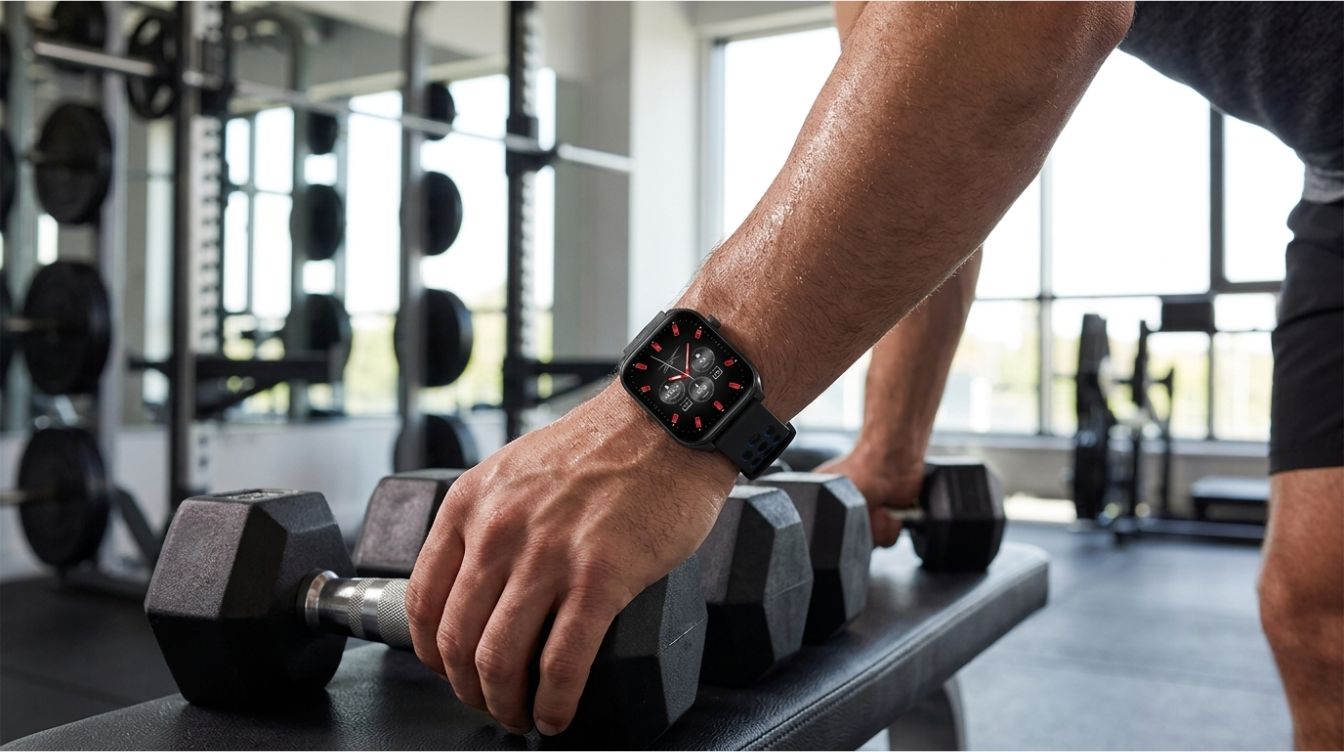
Watch for Fitness: How to Choose the Right Fitness Watch in 2026
Choosing a watch for fitness in 2026 means navigating a market flooded with options—from budget bands under $50 to adventure-ready smartwatches pushing $800. The good news is that the technology has matured significantly. The challenge is matching features to your actual goals without overpaying for metrics you’ll never use.
This guide breaks down everything you need to know: how fitness watches work, what separates different form factors, which features actually matter, and how to make a smart purchase that serves you for years.
Quick Answer: What Is a Watch for Fitness and Who Is It For?
A watch for fitness is a wrist-worn device designed to monitor physical activity, track workouts, and collect health metrics around the clock. In 2026, these devices have evolved far beyond simple step counters—they now measure everything from heart rate variability to menstrual cycle patterns, helping you move more, sleep better, and catch potential health issues early.
The core value of a fitness watch is turning invisible data about your body into actionable insights you can see and respond to daily.
Here’s who typically benefits most from wearing one:
- Beginners and casual gym-goers who want motivation through step goals, activity scores, and reminders to move throughout the day.
- Runners, cyclists, and endurance athletes who need accurate GPS, pace data, heart rate zones, and training load metrics to optimize performance.
- Health-focused professionals interested in tracking resting heart rate trends, stress levels, and sleep quality for better health and longevity.
- Weight loss seekers who want to monitor calories burned, active minutes, and daily movement patterns.
- Recovery-focused users who prioritize sleep tracking and HRV-based recovery scores to prevent overtraining.
Current 2025–2026 models represent the state of the art in fitness watches—each offering unique strengths tailored to different fitness goals and user needs.

How Fitness Watches Work: Core Health and Activity Features
Modern fitness trackers rely on a combination of sensors working together around the clock. At the core, you’ll find optical heart rate sensors using photoplethysmography (PPG) to detect blood flow via LED light reflection, accelerometers measuring movement in multiple axes, gyroscopes for orientation, and GPS chips for location and pace outdoors. This sensor fusion approach allows devices to estimate everything from steps taken to calories burned to sleep stages.
Here’s what most devices track and how they present it:
- Daily activity tracking measures steps, distance, floors climbed, calories burned, standing time, and active minutes. Visual indicators help users close daily goals, while energy reserve scores estimate your vitality based on sleep, stress, and activity—providing a number that tells you whether to push hard or recover.
- Workout tracking modes cover running, cycling, strength training, HIIT, yoga, swimming, and dozens of other activities. During workouts, you’ll see real-time metrics like pace, cadence, elevation gain, and heart rate zones. After the session, the app breaks down performance with detailed summaries and trend analysis.
- Sleep tracking has become increasingly sophisticated. Most fitness trackers now identify sleep stages (light, deep, REM), calculate a sleep score, and monitor overnight heart rate and heart rate variability (HRV). Strain and recovery models pioneered this approach, while similar insights now appear across most platforms.
- Health monitoring features include continuous heart rate tracking, resting heart rate trends, irregular heart rhythm alerts for atrial fibrillation detection (FDA-cleared on some devices), blood oxygen (SpO2) readings, and stress scoring. Women’s health tracking now extends to menstrual cycle monitoring with hormonal insights on premium devices.
The accuracy varies by metric and activity type. Step counting can overestimate on inclines, heart rate data struggles during high-intensity intervals due to motion artifacts, and calorie estimates carry a 10-20% error margin in most testing. Sleep tracking, while useful for trends, lacks the precision of clinical polysomnography. The value comes from watching patterns over weeks and months, not obsessing over single-day numbers.
Types of Fitness Wearables: Watch vs Band vs Ring vs Chest Strap
In 2026, wrist based fitness trackers dominate the market, but they’re not your only option. Four main form factors compete for space in the fitness tracking ecosystem: full smartwatches, slim fitness bands, smart rings, and chest straps. Each makes trade-offs between accuracy, comfort, features, and price.
- Fitness watches offer the most comprehensive features. The feature list could be the following: bright screens for real-time metrics, smartphone notifications, music storage, contactless payments, and detailed workout tracking. These devices are ideal for users seeking an all-in-one solution for daily wear. The main drawback is battery life—most models last 1-3 days between charges, although some dedicated fitness watches can extend this to 7-14 days.
- Fitness bands focus on essential fitness tracking such as steps, heart rate, sleep, and basic workout modes by removing many smart features. They tend to be slimmer, lighter, and more affordable, typically priced between $100 and $150. These are preferred by budget-conscious users and those who want reliable data without distractions. Battery life usually ranges from 5 to 7 days.
- Smart rings provide the most discreet tracking option, excelling in sleep monitoring, recovery metrics, and all-day heart rate tracking without a screen demanding attention. However, they lack GPS and workout displays, and sizing can be challenging. They are best suited as secondary devices or for users prioritizing sleep and recovery over active workout tracking.
- Chest straps remain the gold standard for heart rate accuracy. Serious athletes often pair a chest strap with a GPS watch during training and competitions. These devices measure heart activity directly, reducing motion artifacts common with optical sensors. The trade-off is comfort, as most people do not wear them continuously.
For most people, a wrist-worn watch or band offers the best balance of accuracy, convenience, and features. Chest straps are add-ons for performance athletes, not daily drivers.
Clip-on trackers and phone-dependent solutions have largely faded from the market by 2026. They’re harder to keep charged, easier to lose, and less accurate than wrist-based alternatives. Unless you have a specific reason to avoid wearing something on your wrist, stick with the mainstream form factors.
Key Features to Look For in a Fitness Watch in 2026
With hundreds of models available, knowing which features actually matter helps you avoid paying for capabilities you’ll never use. Here’s a practical checklist for buying a watch for fitness this year:
- GPS and GNSS accuracy matters if you run, cycle, or hike outdoors. Multi-band GPS provides ±1-3% distance accuracy even in challenging environments like urban canyons and dense forests. Vertical GPS helps trail runners and climbers track elevation gain accurately. Indoor-only users can skip premium GPS entirely.
- Battery life varies dramatically by category. Feature-rich LTE smartwatches typically deliver 1-2 days; dedicated fitness watches offer multi day battery life of 7-14 days; and screen-free devices push past two weeks. Long battery life means less charging anxiety and more consistent 24/7 tracking—particularly important for sleep tracking.
- Display and durability affect daily usability. Always-on AMOLED screens are easier to read during workouts than transflective MIP displays, but they drain battery power faster. Water resistance rated to at least 5 ATM (50 meters) covers shallow water activities, pool swimming, and sweaty workouts. Rugged models add sapphire glass and reinforced cases for outdoor adventures.
- Workout and health metrics have expanded significantly. Beyond basic heart rate tracking, look for VO2 Max estimates, training load analysis, HRV trends, recovery scores, and stress monitoring. Women’s health features now include menstrual cycle tracking with symptom logging and cycle-based training recommendations. High blood pressure monitoring and hypertension notifications are emerging on select devices, though few have full medical use clearance.
- App ecosystem and compatibility can make or break the experience. Some watches only work with specific smartphone platforms—a dealbreaker for users on other systems. Others integrate tightly with broader ecosystems but may offer limited app selections. Check that your smartphone is fully supported before purchase.
- Smart features vs. distraction-free options represent a genuine choice. Full smartwatches deliver notifications, music streaming, contactless payments, and even internet connection for calls on LTE models. Emergency SOS and satellite connectivity add safety for remote adventures. Alternatively, screen-free bands remove all distractions, focusing purely on data collection for later review in the app.
- Safety and materials deserve attention, especially for sensitive skin. Check for nickel in watch cases and clasps if you have allergies. Some straps contain chemicals that can cause irritation with prolonged wear. Replaceable straps let you swap to hypoallergenic materials or simply refresh the look after wear. An aluminum bezel keeps weight down for all-day comfort.
Best Use Cases: Matching a Fitness Watch to Your Goals
The best fitness tracker isn’t the one with the most features—it’s the one that matches your actual goals. Here’s how to think about the decision based on what you’re trying to accomplish:
- For everyday health and movement, a mid-range fitness band or watch handles everything you need without overwhelming you. Devices in this category track steps, heart health, and sleep reliably, with move reminders to break up sedentary time. These devices help most people build consistent habits without the complexity of advanced training metrics. Focus on closing your Activity Rings or hitting daily step goals, and let the device nudge you toward better health.
- For runners and triathletes, GPS accuracy and advanced metrics matter. Some fitness watches deliver precise pace tracking, route navigation, and compatibility with chest straps for accurate sensors during intervals. Look for training load analysis, recovery recommendations, and race predictor features. These function as an AI powered workout buddy, adjusting training suggestions based on your recent activity and rest.
- For gym training and HIIT, you need reliable real-time heart rate tracking and interval timers. Some devices offer rep counting and strength-training recognition, though accuracy varies by exercise. The key is getting heart rate data you can trust during high-intensity bursts—optical sensors struggle here, so consider pairing with a chest strap for serious lifting sessions.
- For sleep and recovery, devices prioritizing overnight metrics outperform general-purpose smartwatches. Some specialized trackers deliver detailed sleep score breakdowns, HRV analysis, and recovery recommendations that inform whether you should train hard or rest. Good battery life matters here—you can’t track sleep if the watch is on the charger every night.
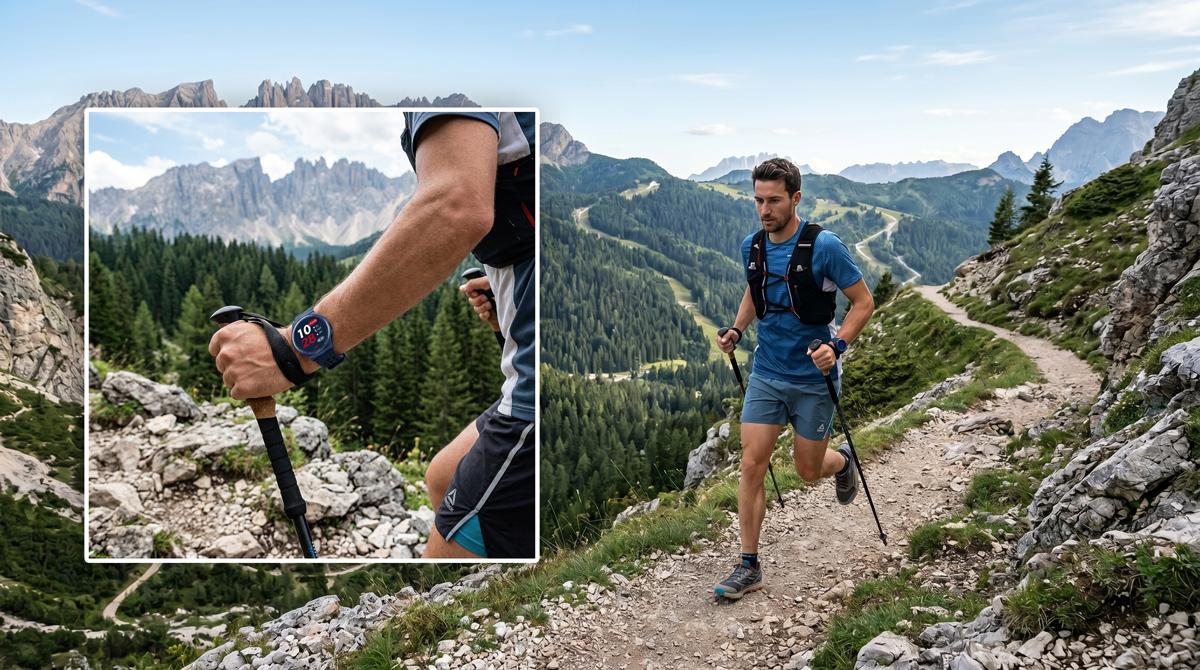
- For outdoor and adventure, rugged construction and navigation features take priority. Certain watches handle extreme temperatures, impacts, and water exposure while offering offline maps, backtrack navigation, and emergency features. Satellite connectivity on premium models provides a safety net in areas without cell coverage.
Understanding the link between health goals and data interpretation matters more than any single feature. If you’re interested in heart health or stress reduction, watch your resting heart rate and HRV trends over weeks, not daily fluctuations. A gradually decreasing resting heart rate often indicates improving cardiovascular fitness. Rising HRV suggests better recovery capacity. These patterns, tracked consistently, provide personalized recommendations for training and recovery that generic guidelines can’t match.
The goal isn’t to check your watch constantly. It’s to collect enough data that meaningful patterns emerge over time.
Budget, Value, and Long-Term Considerations
Price ranges in 2026 span from basic activity trackers under $50 to premium adventure watches exceeding $800. Understanding what you get at each tier helps you avoid both overspending and disappointment.
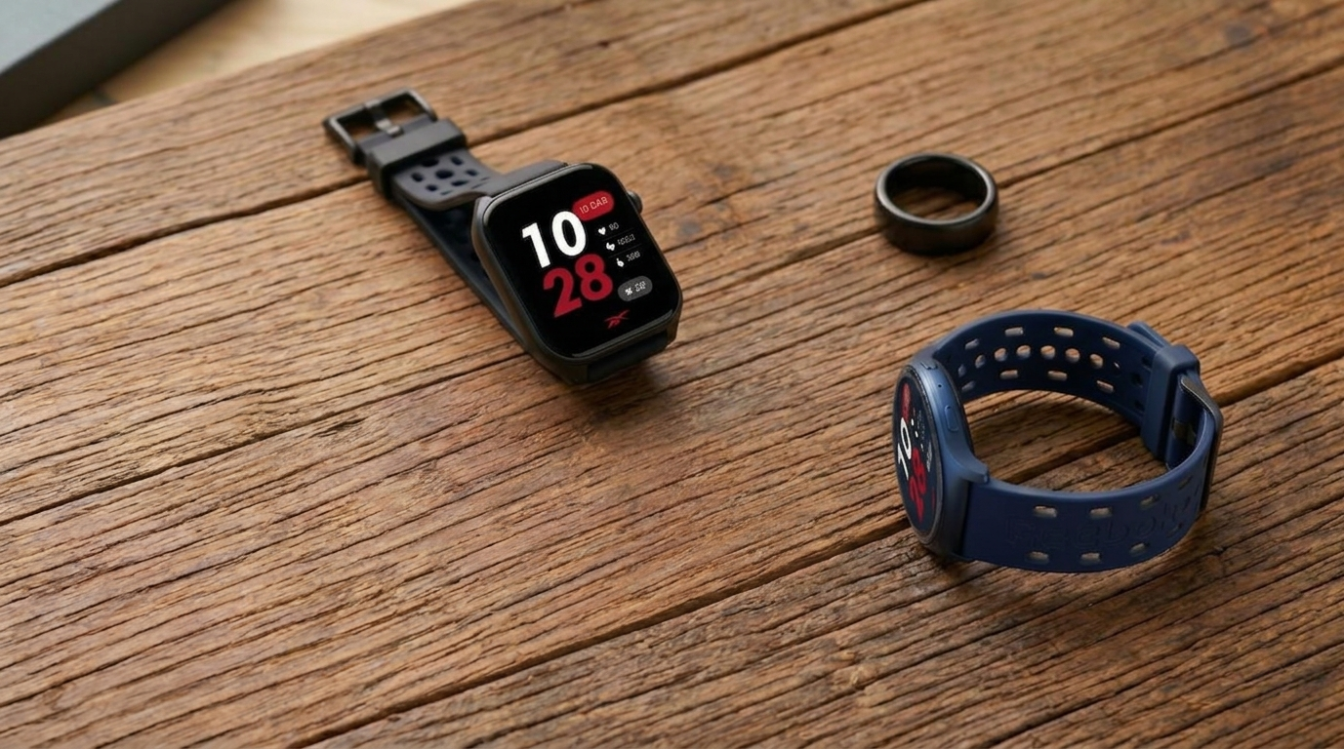
- At the entry level ($25-$100), you’ll find basic fitness bands with step counting, basic heart rate tracking, and sleep logging. Most lack GPS, relying on your phone for location. Screens are usually small. These work for users who simply want move reminders and step counts without complexity—a solid starting point for kids or testing whether you’ll actually use a tracker. Experience the perfect blend of style and advanced fitness features with the Reebok Smartwatch Icon Phantom Black — your ideal companion for tracking workouts and staying motivated, all at an unbeatable price just slightly above $100.
- Mid-range options ($100-$300) unlock the sweet spot for most people. Built-in GPS or assisted GPS, accurate sensors, comprehensive health suites, and good battery life become standard. Build quality improves significantly, with water resistance suitable for pool swimming and displays readable in sunlight. The Reebok Pulse Victory Gold is the perfect fitness watch for those seeking premium features without breaking the bank. Priced between $100 and $300, it offers a brilliant balance of style, functionality, and durability. With seamless smartphone compatibility, you can receive notifications and control your music on the go, making it an ideal companion for both workouts and daily wear.
- Premium and adventure models ($300-$800+) add advanced materials, multi-band GPS, extensive training analytics, offline maps, and safety features like satellite connectivity. If you’re a serious athlete, outdoor enthusiast, or simply want the top pick in durability and features, this tier delivers.
- Ongoing costs affect real value beyond the purchase price. Some devices operate on a subscription model—the device is free but you pay monthly for access to your data. Some brands lock premium coaching features, detailed workout analysis, or video instruction behind paid tiers. Factor these recurring costs into your decision, especially for devices you plan to use for years.
- Trade-in and financing options can make premium watches accessible. Interest-free monthly installments spread costs. Trade-in credits—sometimes reaching $100-200 for older devices—reduce upgrade costs. If budget is tight but you want premium features, these paths often make more sense than compromising on a lesser device.
- Longevity and updates determine whether a watch serves you for 3-5 years. Multi-year software support keeps features current and security patches flowing. Replaceable straps (versus integrated designs) let you refresh the look and replace worn materials. Battery durability matters for devices meant to track 24/7—lithium batteries degrade over time, so check if battery replacement is available for your model.
Don’t pay for dive metrics and climbing tools if you only walk and do light strength training. Match features to your actual habits, not aspirational goals you might never pursue.

The best value often sits in the mid-range tier, where most trackers deliver the core features—accurate heart rate, GPS, comprehensive sleep tracking, and multi-day battery—without premium pricing. Upgrade to higher tiers only when specific features (offline maps, extreme durability, LTE connectivity) directly serve activities you already do regularly.
Key Takeaways
- A watch for fitness combines activity tracking, workout monitoring, and health metrics in one wrist-worn device—the right choice depends on matching features to your specific goals.
- Core technologies include optical heart rate sensors, accelerometers, GPS, and sensor fusion algorithms that estimate everything from calories burned to recovery readiness.
- Form factors range from full smartwatches (most features) to fitness bands (simpler, cheaper) to smart rings (discreet, sleep-focused) to chest straps (most accurate for heart rate).
- Key features to evaluate include GPS accuracy, battery life, display quality, health metrics depth, app ecosystem compatibility, and durability for your intended activities.
- Budget wisely: mid-range options ($100-$300) serve most people well, while premium models make sense only for serious athletes or outdoor enthusiasts with specific needs.
The right fitness watch is ultimately the one you’ll wear consistently. Start by identifying your primary goal—whether that’s general wellness purposes, performance sports, or recovery tracking—then match features and budget accordingly. Technology has matured enough that even entry-level devices deliver meaningful insights. The harder question isn’t which watch has the best specs. It’s whether you’re ready to act on the data it provides.
